
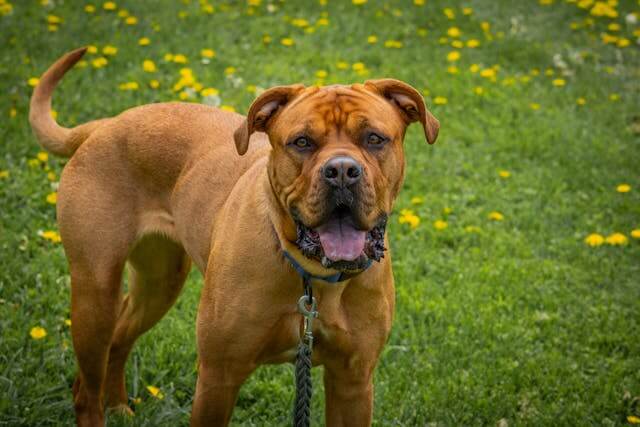
Canine Parvovirus (CPV) is a highly contagious viral infection that primarily affects dogs, especially puppies and unvaccinated adults. It is known for causing severe gastrointestinal symptoms such as vomiting, diarrhea, and dehydration. Parvovirus is transmitted through contact with infected feces, contaminated environments, or direct contact between dogs. Due to its robust nature, the virus can survive in the environment for months, making prevention crucial in managing its spread.
Symptoms of Parvovirus
Parvovirus attacks rapidly dividing cells in a dog’s body, especially those lining the gastrointestinal tract. The symptoms typically appear within 3-10 days of exposure and can include:
- Severe and bloody diarrhea
- Persistent vomiting
- Lethargy and weakness
- Loss of appetite
- Dehydration
- Fever
Importance of Treatment
Early detection and intensive supportive care are vital in treating Parvovirus. Dogs affected by the virus often require hospitalization to receive intravenous fluids, medications to control vomiting and diarrhea, antibiotics to prevent secondary infections, and nutritional support. Without prompt and appropriate treatment, Parvovirus can be fatal, especially in young puppies.
Top Affected Breeds
While all dogs are susceptible to Parvovirus, certain breeds are more prone to severe infections. These include:
- Rottweilers
- Doberman Pinschers
- German Shepherds
- American Staffordshire Terriers
- Labrador Retrievers
These breeds may experience more severe symptoms and complications if infected with Parvovirus.
Homeopathy Medicine and Uses
Homeopathy offers complementary treatments for managing symptoms associated with Parvovirus in dogs. Here are some commonly used homeopathic remedies and their uses:
- Arsenicum album: Used for dogs with severe diarrhea and vomiting, especially when symptoms are accompanied by restlessness and anxiety.
- Veratrum album: Recommended for dogs experiencing profuse, watery diarrhea and vomiting, often accompanied by weakness and coldness.
- Baptisia: Helpful for dogs with fever, diarrhea with foul-smelling stools, and a general sense of lethargy.
- Phosphorus: Used when dogs have hemorrhagic diarrhea, weakness, and fear of being alone.
- Mercurius corrosivus: Considered for dogs with bloody diarrhea, intense thirst, and excessive salivation.
These remedies are selected based on the specific symptoms presented by the dog and are aimed at supporting the immune system and alleviating discomfort.
Steps to Prevention
Preventing Parvovirus infection involves several key measures:
- Vaccination: Puppies should receive a series of vaccinations starting at 6-8 weeks of age, followed by boosters every 3-4 weeks until they are 16 weeks old. Adult dogs should receive regular booster shots as recommended by their veterinarian.
- Isolation of Sick Dogs: Keep infected dogs isolated to prevent the spread of the virus to other dogs in the household or community.
- Disinfection: Clean and disinfect areas where infected dogs have been, using a bleach solution diluted with water to kill the virus effectively.
- Avoidance of Contaminated Areas: Limit exposure to places where Parvovirus may be present, such as dog parks, kennels, and areas frequented by unknown dogs.
- Proper Hygiene: Practice good hygiene by washing hands and changing clothes after handling sick dogs or coming into contact with potentially contaminated surfaces.
Disclaimer:
The information provided in this article is for educational purposes only and is not intended as a substitute for professional veterinary advice, diagnosis, or treatment. Always seek the advice of your veterinarian or other qualified animal health provider with any questions you may have regarding a medical condition. Never disregard professional advice or delay in seeking it because of something you have read on this website. The use of homeopathic remedies should be discussed with a veterinarian experienced in homeopathy to ensure safe and effective treatment for your pet.
